
Tour review · MIAMI BEACH & SOUTH BEACH TOURS
Miami Beach Smartphone Audio Walking Tour
Art Deco, plus green corners, on your schedule. This Miami Beach smartphone audio walk strings together parks, memorials, and Ocean Drive landmarks using a live GPS map and auto-play narration. I love the flexibility to start when you want and go at your own pace.
I also like that the tech is built for real-world travel, not perfect conditions. Download before you go on WiFi, and the tour runs without needing data or a signal, so you can keep moving while listening.
One possible drawback: you need your smartphone or tablet during the walk, and if you do not use headphones the audio will play from your device speaker. Plan on a moderate walking loop in the open air for about 2 to 3 hours.
Key things I’d highlight before you go
- Download on WiFi, no data needed once the tour is ready on your phone
- Live GPS route tracking so you are not hunting for the next stop
- Automatic commentary at each point so you can focus on what you see
- A smart mix of stories from Holocaust remembrance to Art Deco hotels
- No time pressure so you can linger for photos or a snack break
- Up to 50 travelers on the experience side, keeping it orderly
More routes through South Beach
- South Beach Cultural Food and Walking Tour★ 5.0 · 1,284 reviews
- A Taste of South Beach Food Tour★ 5.0 · 1,120 reviews
- Miami South Beach Art Deco Walking Tour★ 5.0 · 1,039 reviews
- Miami: South Beach Private 50-Minute Private Flight Tour★ 4.8 · 941 reviews
What This Miami Beach Smartphone Audio Tour Feels Like
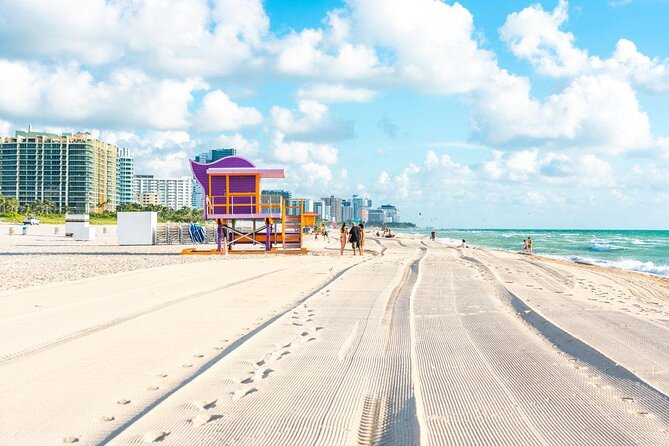
This is a self-guided walking tour with a very simple promise: press play, follow the GPS route, and let the narration kick in as you reach each stop. The tour typically runs about 2 to 3 hours, which feels about right for a concentrated walk through Miami Beach’s big design and culture moments without turning it into a full-day slog.
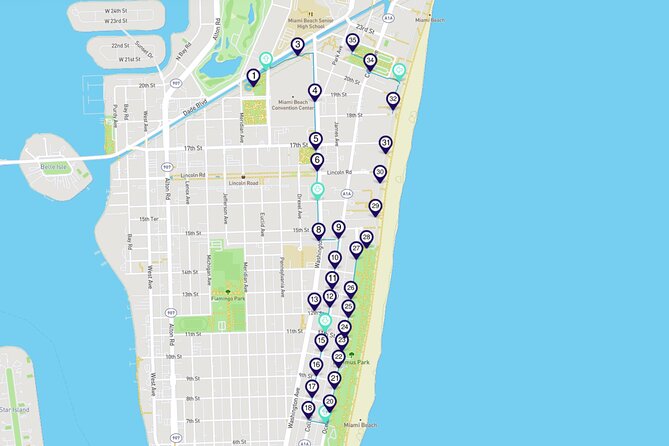
You get a mobile ticket, plus a route view that tracks your location. That matters because Miami Beach is flat, but it is not small, and you do not want to burn energy guessing which corner comes next. Commentary auto plays at each interest point, so you can keep your eyes on buildings, sculptures, and streets rather than scrolling constantly.
Also, you can take it slowly. The tour is designed with no time constraints, so if you pause for a photo outside Casa Casuarina or you want to sit in a shady garden area, you do not have to rush to stay in sync with a group.
Price and Value: Getting More Than Just a Walk for $10.99
At $10.99 per person, this sits in the budget-friendly range for a guided-style experience, especially because the tour includes a long chain of varied stops. You are not just hearing generic South Beach talking points. You are walking through a mix of nature history, memorial context, public art, and multiple famous hotel façades that are tied to Miami Beach’s architectural identity.
What makes the value feel strong is the format. You are paying for convenience and structure: a live route, auto narration, and flexibility to start and finish when it suits you. And you are not being asked to buy separate attraction tickets as part of the tour.
If you are already planning to spend time around Ocean Drive and the Art Deco District, this can turn “wandering” into a guided timeline without the cost of a full live group tour. You still get to decide when to stop and when to move on.
Starting at Miami Beach Botanical Garden and Its 4-Acre Jungle Corner
The tour starts at Miami Beach Botanical Garden, and the first big story is about a Garden-Center created by the City of Miami Beach to grow tropical fruits. The tour frames it as a 4-acre sprawling jungle, which is exactly the mental reset you want before you head into dense streets and hotel architecture.
This is a great opener because it gives you something more than postcards. You get the feeling of a place that was designed to cultivate tropical life, not just display it. I’d treat this first segment like your warm-up, the part where you slow down, read the surroundings, and let the narration set the tone.
Practical tip: since this is outdoors and active, wear shoes you trust. Even if you are not doing long distances, you will still move through pathways and stop often enough that comfortable footing pays off.
Holocaust Memorial and the Humanoids You Do Not Want to Miss
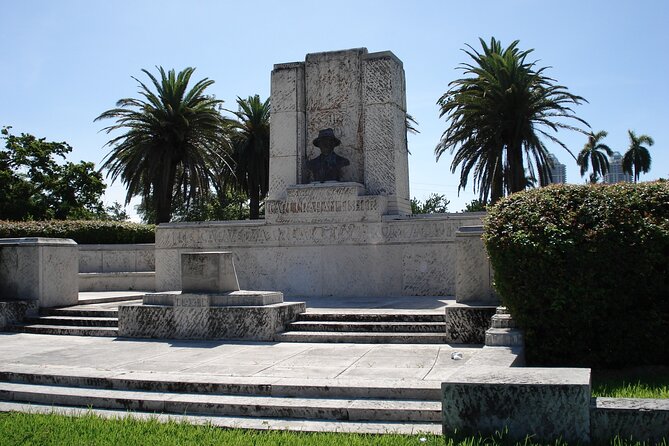
After the garden, the route shifts to a memorial site with deep emotional weight. The tour explains it was conceived by a committee of Holocaust survivors in 1984, and that the location was previously home to Holocaust survivors. That combination gives the place more context than a quick photo stop.
Then you move into a 2.8-acre green-space where you will encounter aluminum sculptures known as Humanoids. This is one of those Miami Beach contrasts that works well on a self-guided format. You can take your time with the memorial portion, then transition to art that is visible from multiple angles as you walk through the greenery.
If you are sensitive to pacing, this is a smart setup because the narration walks you through the meaning. Still, I’d keep your volume reasonable out of respect, especially near memorials.
Miami on foot, with a few more routes to compare
- Little Havana Food and Walking Tour in Miami
★ 5.0 · 8,882 reviews - South Beach Cultural Food and Walking Tour
★ 5.0 · 1,284 reviews - Miami: Little Havana Food Walking Tour with Tastings
★ 4.9 · 1,181 reviews - Little Havana: Authentic Food and Culture Walking Tour
★ 5.0 · 679 reviews - Walking Food Tour of Little Havana with Cuban Dishes Tasting
★ 5.0 · 495 reviews
A 1958 Venue, Big Renovations, and the Park Story Behind It

One stop covers a venue that originally opened in 1958, then went through large renovations from 2015 to 2018. The tour description hints that the renovations were expensive, then ties the result to a lush contemporary park now considered a world-class destination that merges music, design, and culture.
I like this kind of segment because it answers a common travel question: why does this place look like it does today? If you only skim architecture, you might miss that the modern version is often the product of recent, costly changes. The audio helps connect that transformation to what you see on the ground.
This is also a reminder that Miami Beach is layered. You are moving between eras quickly, and the narration keeps those eras from blending together.
From Mangroves to Miami Beach Streets: The Nature History Moment
A short but meaningful part of the walk explains that the strip of land you are on used to be a forest of man-groves. Mangroves are shrubs that grow in coastal, saline waters, which makes the story feel grounded in real geography, not just city branding.
This is the kind of detail I appreciate because it reframes what you think you are seeing. When you watch palm-lined streets, it is easy to assume everything grew from the city plan. The audio nudges you to remember this coastline had natural systems before development.
If you are the type who likes seeing how cities connect to the environment, this stop adds real texture without adding any extra museum time.
Espanola Way Renaissance and the 1930s Entertainment Connection
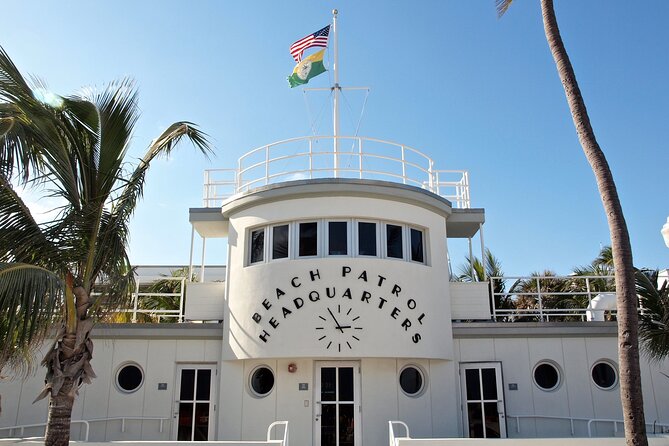
Next comes Espanola Way, described as experiencing a renaissance where locals and travelers gather to create and celebrate among shops and restaurants. This is where the tour shifts from major landmarks to street energy.
Because this portion is tied to everyday places, I recommend you treat it like a break point. Step into a storefront, grab a drink, or just pause and watch how people move through the area. The audio should keep playing as you walk, but you can also take it slower here because it is easy to lose time in an inviting shopping and dining strip.
The tour also includes an entertainment venue with a long history dating back to the 1930s. That detail sets up what comes next with architecture, because by the time the Henry Hohauser story hits, you can feel how Miami Beach entertainment and design grew together.
The Webster by Henry Hohauser: Streamline Modern and the Rule of Three
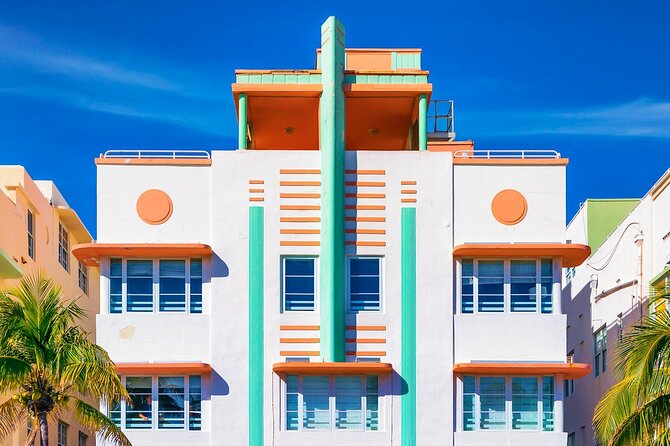
One of the most architecture-forward segments centers on the Webster. The tour notes it was designed by Henry Hohauser in 1939 and that it has a distinctive Streamline Modern style. It also mentions the building’s connection to the rule of three, then promises an explanation of what that means in the context of the hotel.
I like including this stop because it gives you a way to look, not just a name to remember. When you understand a design idea like the rule of three, you start seeing pattern and balance in façades. You stop thinking of Art Deco as only decorative and start seeing it as organized thinking.
As you stand there, use a simple scan:
- Look for repeated elements grouped in threes.
- Notice the way vertical and horizontal lines work together.
- Watch how symmetry and pacing show up in entrances and windows.
Even if you take only a few minutes, the audio explanation makes the building more readable.
Tiffany Becomes Tony, Ocean Drive Neon, and the Breakwater Focus
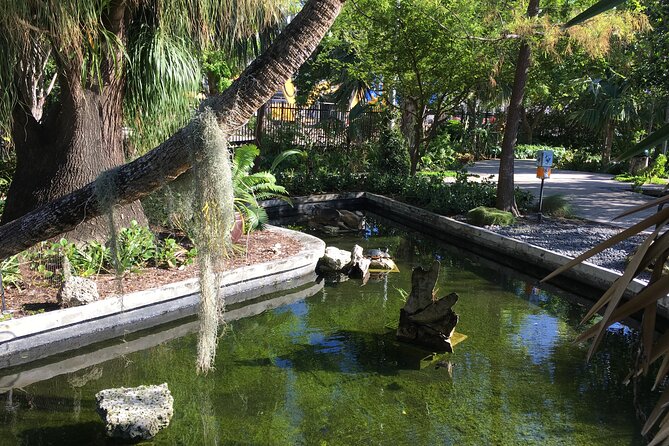
The route continues with a historical hotel story that, in the 1990s, was transposed into a tropical retreat for some of the world’s most renowned recording artists and performers. The narration also tells you who some of them were, which adds pop-culture context to the bricks and mortar.
Then you get another layer of hotel transformation: a building with a famed historic past that received numerous awards recently for its restorations. Today it is the Tony Hotel, South Beach, but when it first opened, it was the Tiffany Hotel. If you love restoration stories, this section helps you understand why preservation matters beyond nostalgia.
Right after that, you will see a bright blue neon beacon that has overlooked Ocean Drive every night for nearly 90 years. The tour makes a clear point of visibility: you cannot miss it, and it ties the story to the Breakwater Hotel.
This pairing works well on a self-guided walk. You go from big-picture design and restoration to something playful and eye-catching, neon that is part signage, part landmark.
Miami Design Preservation League and the Art Deco Icon Stops
A nonprofit resource founded in 1976 plays an important role in the narrative. The tour describes it as working to assist with historic preservation and enhancement of Miami Beach’s unique architectural and cultural identity.
I like including this because it changes how you interpret the street. Instead of treating the Art Deco District like a random collection of pretty buildings, you see it as something actively protected. It turns your photos into documentation of a continuing effort.
The route then includes an art deco-designed building described as a Miami Beach icon. The exact name is not spelled out in the tour notes you provided, but the key is what you are meant to notice: the Art Deco style itself, and the way it shows up as a recognizable part of Miami Beach’s identity.
Use this time to slow down and look at the details. Art Deco is often about rhythm, edges, and repetition, so the longer you look, the more the design makes sense.
Casa Casuarina (Versace Mansion) and the Beachfront Hotel Parade
At this point, the tour turns into a highlight reel. You get a stop at Casa Casuarina, better known as the Versace Mansion, renowned for being owned by Italian fashion designer.
This is an instantly recognizable name in popular culture, but the audio framing helps you see it as part of Miami Beach’s architectural story instead of only a celebrity stop. I recommend keeping your expectations realistic. You are there to learn the context and spot the style cues more than to treat it like a museum.
Then you move to legendary art deco beachfront hotels. One stop emphasizes one of the most elegant and sophisticated beachfront hotels in the U.S. Another is the Carlyle, described as the backdrop to numerous films and television shows over its 75 years. The narration also notes a traditional art deco look with rounded lines, compared to the fender of a Studebaker.
After that, you get the Cavalier, described as regarded as a masterpiece of the Art Deco movement, plus the McAlpin, called a near-perfect embodiment of the Art Deco style. The tour also includes a historic hotel that illustrates Miami Beach’s crossover to modern resort architecture during its transition era.
Here is how to make this part enjoyable instead of overwhelming:
- Pick two or three façades to focus on deeply.
- Take one side street so you can see the buildings from an angle.
- Use your phone as an audio guide, not a distraction.
When you switch between hotels rapidly, it is easy to lose the thread. The narration is there to keep it organized.
Delano, Art Along the Garden Paths, and The Bass Cultural Stop
The route includes the Delano Hotel, built in 1947 by Rob and Rose Schwartz. The tour also explains it was originally utilized for military housing. That context adds a layer beyond glamour. It helps you see the resort world as something that grew out of real-world needs.
As you stroll along the garden paths, you will stumble on works of art, which makes the walk feel less like a checklist and more like moving through a public environment. Then there is a stop for The Bass, where you will hear about its origin and how it became a culturally important part of Miami Beach.
For me, this is a good final arc. The tour starts with tropical plants, moves through memorial and modern design, then ends with how culture and art are woven into the city fabric.
If you are taking this tour on a day when you already plan to eat well and shop, treat the last segments as your cultural anchor. You will feel like you saw more than the obvious highlights.
Small Tech and Walk Tips That Actually Matter
This tour is built for phone-based navigation, so your best results come from simple prep.
- Download before you go on WiFi. The tour notes you can do it without signal, and that no data is used during the tour.
- Bring a smartphone or tablet because the device is not included, and the tour needs it for tickets and audio.
- Decide about headphones. Headphones are optional, and audio will play from your device speaker too, so pick what feels comfortable in crowded areas.
- Follow the live GPS map. It shows your route and your location, which reduces the stress of getting lost.
- Dress and pack for outdoor walking. The tour lists moderate physical fitness. You will not be climbing mountains, but you will be stopping and moving across multiple outdoor points.
Also remember: this is a tour you keep and enjoy anytime on Tripvia Tours with flexible dates, and there are no time constraints once you start. That makes it a good choice if your Miami Beach day is already packed with other plans.
Should You Book This Miami Beach Smartphone Audio Tour?
I’d book it if you want structure without a group schedule, and you like learning while walking at your own pace. At $10.99, you are paying for a self-guided route that strings together parks, memorials, architecture names like Henry Hohauser and Casa Casuarina, plus hotel stories tied to films, restoration, and famous cultural moments.
I would skip it or swap it for something else if you dislike carrying your phone outdoors, or if you prefer a live guide for Q and A. Also, if you hate audio in public spaces, plan on bringing headphones since the tour can play from your device speaker.
If you are doing South Beach anyway, this tour is a smart way to turn a half-day walk into a more meaningful route, especially because you can pause, stroll, and finish when the day feels right.
FAQ
Do I need mobile data during the tour?
No. The tour notes that you should download on WiFi before you start, and during the tour no data is used and no signal is required.
What language is the audio in?
The tour is offered in English.
Do I need headphones?
Headphones are optional. The tour audio can play from your device speaker as well.
Do I need a smartphone or tablet?
Yes. A smartphone or tablet is required, and it is not included.
How long is the tour?
It is listed as about 2 to 3 hours.
Where does the tour start and end?
It starts at Miami Beach Botanical Garden, 2000 Convention Ctr Dr, Miami Beach, FL 33139, USA, and it ends back at the meeting point.
Is the tour tied to a specific start time?
No. The tour offers flexible dates and no time constraints, so you can take it at your own pace.
Is the tour suitable for people with moderate mobility needs?
The tour indicates a traveler should have a moderate physical fitness level.
Can I cancel for a full refund?
Yes, free cancellation is available. You can cancel up to 24 hours in advance for a full refund. If you cancel less than 24 hours before the experience start time, the amount paid is not refunded.
Keep Walking Miami





More South Beach Tours




More Tour Reviews in Miami





Recently added around Miami





Miami Beach & South Beach Tours, compared.
 ★ 5.0South Beach Cultural Food and Walking TourFrom $751,284 reviews
 ★ 5.0A Taste of South Beach Food TourFrom $741,120 reviews
 ★ 5.0Miami South Beach Art Deco Walking Tour1,039 reviews
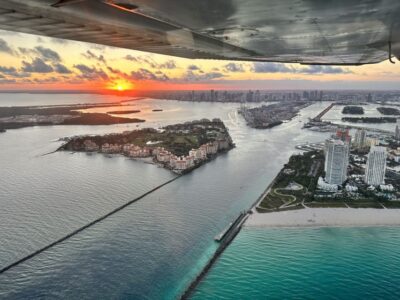 ★ 4.8South Beach Private 50-Minute Private Flight TourFrom $95941 reviews
 ★ 4.5Duck Tour of Miami and South BeachFrom $48698 reviews
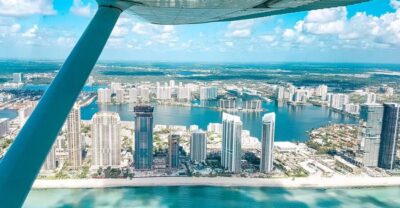 ★ 4.9Miami Beach: South Beach Private Airplane Tour with DrinksFrom $99659 reviews
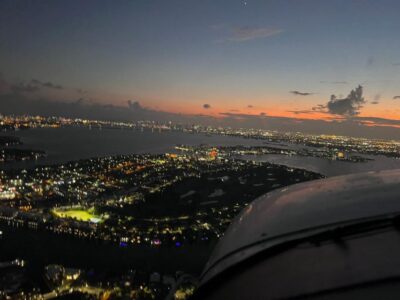 ★ 4.8South Beach Private 35-Minute Guided Flight TourFrom $84591 reviews
 ★ 4.5Miami Beach Food and Art Deco Walking TourFrom $69245 reviews
Browse the lists this tour appears in