
Tour review · LITTLE HAVANA FOOD & CULTURE TOURS
Little Havana Ultimate Food Tour
Follow Cuban aromas through Little Havana. This Miami tour connects Cuban food with real neighborhood landmarks, from the Tower Theater to Domino Park, without turning it into a rushed restaurant hop. You’ll get a guided walk plus enough tastings to land at a full meal.
I especially love the small group size (max 12). It makes it easier to ask questions and actually hear the stories behind what you’re eating. I also like that the tour is designed like a sequence, with you tasting and learning at the same time, not picking one “big” meal and calling it a day.
One consideration: this is a walking tour and it runs best with good weather, so come ready for Miami conditions and comfortable shoes.
Key things I’d circle before you book
- A full meal worth of tastings for one price, not just a few samples
- Max 12 travelers for a more personal pace and real guide conversation
- Cuban colada coffee as a standout drink link to celebrity favorites like Pitbull and Gloria Estefan
- Classic Little Havana stops included, Tower Theater, Domino Park, a cigar shop, and the Bay of Pigs memorial site
- Mobile ticket keeps check-in simple, and the tour ends back at the meeting point
More food and culture around Little Havana
- Miami: Little Havana Food Walking Tour with Tastings★ 4.9 · 1,181 reviews
- Little Havana: Authentic Food and Culture Walking Tour★ 5.0 · 679 reviews
- Walking Food Tour of Little Havana with Cuban Dishes Tasting★ 5.0 · 495 reviews
- Little Havana Food Tour: Discover Iconic Cuban Cuisine in Miami★ 5.0 · 308 reviews
Why this Little Havana tour works better than a single restaurant meal
Little Havana is one of those places where food is never just food. It’s memory, migration, and community habits passed down, often by people who still run the same family businesses. This tour is built around that idea: you don’t just taste Cuban classics, you hear why they matter and where they fit in the neighborhood story.
The best part for you is how the tour moves. Instead of sitting through one long meal, you sample multiple spots across a couple hours, so you get variety without feeling stuffed too early. And because the group is capped at 12, it tends to feel like a guided neighborhood stroll with tastings, not a bus-load checklist.
Also, you’re not only eating. You’re stopping at places that explain how this community stayed strong, from the Spanish-subtitled film history at the Tower Theater to the social rhythm of Domino Park.
Price and value: what $67 buys you in practice
$67 sounds simple, but it’s worth thinking through what that covers. The tour includes a guided experience plus multiple food stops that add up to a full meal by the end. That matters because Cuban food is rarely a quick bite when you do it right. A Cuban sandwich plus sides, drinks, and sweets can cost you far more if you pay à la carte, especially in busy tourist zones.
On top of the food, you’re paying for an expert guide to connect the dots. That includes commentary at each stop, plus cultural context for what you see, not just what you taste. If you like learning while you eat, this format is a good match.
Small group tours cost more per person than mass-market ones, but here the cap at 12 helps the value feel more “used.” You get time, attention, and fewer rushed exchanges. That’s a big deal when you want to ask, what is this drink, why does it taste like that, and how did this tradition survive.
The walk starts at 1513 SW 8th St, and it’s easy to join
You meet at 1513 SW 8th St, Miami, FL 33135, and the tour ends back at the meeting point. There’s no private transportation included, so plan on getting there under your own steam, then staying with the group as you walk between stops.
The tour also uses a mobile ticket, which is handy if you’re juggling plans on your phone anyway. If you’re coming from another part of Miami, give yourself a little buffer time. The schedule is tight enough that you’ll feel better if you’re already settled near the start.
Finally, this is described as suitable for most travelers, and service animals are allowed, so it’s built to be broadly workable for different visitors.
Stop 1 Little Havana: murals, music, and your first Cuban tastings
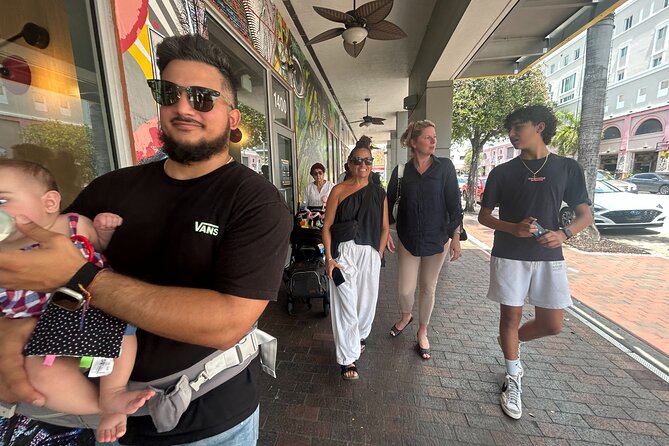
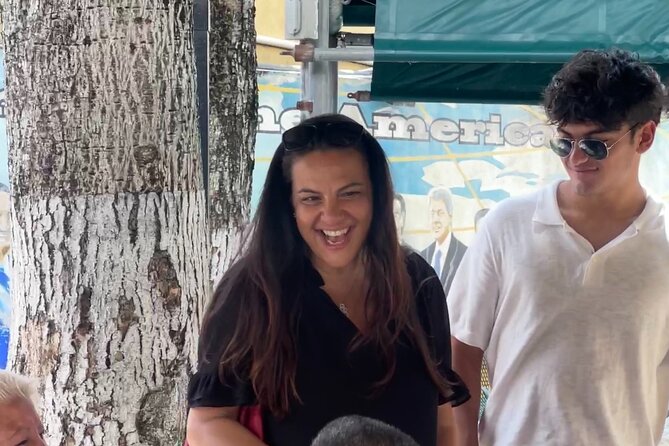
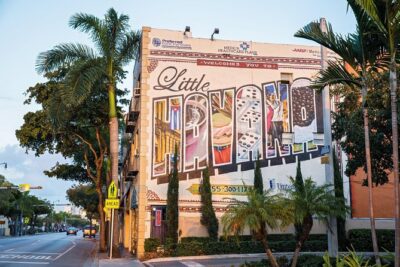
The tour begins in Little Havana as a multi-sensory orientation. You’re guided through the neighborhood at a leisurely pace, and the first stop sets the tone: the scents from family-run cafés and restaurants, the sights of colorful murals, and the everyday soundscape of the community.
What makes this stop special is how it connects background to food. You’re not just told to try a sandwich or drink coffee. You learn the idea that food is a social glue in Cuban immigrant life, with multi-generational businesses that kept going through hard times. That context makes the later tastings hit harder, because you’re tasting traditions with a story behind them.
In this early stretch, you’ll also get the vibe of social life here. Think domino games, lively neighborhood energy, and people sharing space in ways that feel more like community than entertainment. Even if you only catch a moment of that at street level, your guide frames it so you can read the neighborhood rather than just walk through it.
Potential drawback for this stop: if you’re not a fan of walking or you get overwhelmed by street noise and crowds, this is the part where it may feel like a lot. The good news is the group size stays small, so you can pace yourself without losing the tour.
Still hungry? More Miami neighbourhood tastings
- A Taste of South Beach Food Tour
★ 5.0 · 1,120 reviews - Miami: South Beach Food Tour
★ 4.7 · 141 reviews - South Beach Food & Fun Art Deco Miami Food Tour
★ 5.0 · 138 reviews - Little Havana Express Tour: Hidden Culinary & Culture Tour
★ 5.0 · 85 reviews - Food Tour of Miami’s South Beach
★ 4.5 · 80 reviews
Tower Theater: the steel tower and Spanish-subtitled Hollywood
Next up is the Tower Theater, a cultural hub with a very specific kind of history. The story here is about language access and hope. For Cuban exiles, the theater became a symbol of connection in a new country, with the iconic steel tower adding visual identity to the neighborhood.
One key detail that your guide highlights is that this theater was the first in America to show major Hollywood films with Spanish subtitles. That’s not trivia. It’s a window into how communities carve out places where they can feel seen, even when they’re adapting to a new world.
You’ll spend about 15 minutes here. It’s long enough for photos and explanation, but short enough that you’re not stuck while the rest of the group is still eating and moving.
If you’re the type who loves architecture and social history, this stop will be a favorite. If you’d rather stick purely to food, treat this as a quick story break that helps everything else make sense.
Domino Park: where community games turn into a lesson
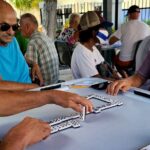
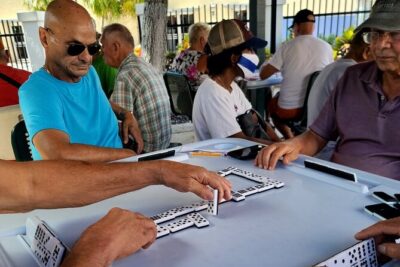
Domino Park is the social center move on this tour. Your guide frames it as a place where neighbors and visitors share time together, using the games as a reason to gather and talk.
This is also one of those stops where what you learn matters as much as what you see. Dominoes can look like simple entertainment if you don’t know the role they play. Here, the guide connects the dots to Cuban community life, showing how these everyday traditions keep people bonded and connected across generations.
You’ll be there for about 15 minutes. It’s best used as a short reset during the walking loop, especially if you want to cool down a bit and regroup your focus before the food-heavy later segments.
Practical note: bring a little patience for this kind of stop. It’s not a museum with a single exhibit. It’s a lived-in community space, so your experience depends a bit on what’s happening while you’re there.
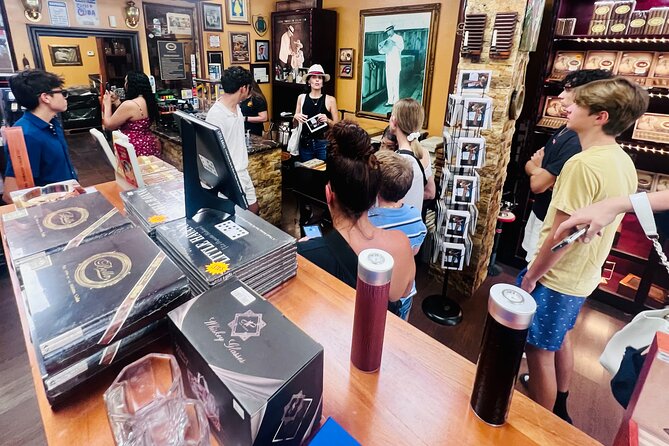
Cuba Tobacco Cigar Co: cigars with a migration story
Then you hit a cigar stop: Cuba Tobacco Cigar Co. Your guide tells the backstory that makes this place more than a shop. The cigar factory was shut down in Cuba by Fidel Castro, and it found new life in Miami.
That history gives the tasting experience a sharper edge, even if you’re only viewing and learning rather than buying something. The important part is how the tour ties craft and identity together. Cuban cigar-making isn’t just a product here. It’s a tradition that moved across borders and kept being practiced.
Expect about 15 minutes at this stop. It’s structured to keep you moving, but still gives you time to understand what you’re looking at, ask questions, and connect the cigar story to the broader neighborhood story.
If you are not into cigars, you’ll still get value from the cultural angle. Think of it as a short chapter on how trades and traditions survive exile and relocation.
Cuban Memorial Boulevard Park: Bay of Pigs remembrance in the middle of lunch
After cigars, you’ll stop at Cuban Memorial Boulevard Park, a landmark connected to the Bay of Pigs and the failed invasion attempt in 1961.
This is a 15-minute pause that adds weight. It turns the tour from purely sensory into something more grounded. The neighborhood story includes struggle and resilience, and this memorial is one way that history stays visible.
If you prefer tours that stay light, this stop may feel like the emotional midpoint. But it’s also the reason this tour feels more honest. You can’t really understand Little Havana’s cultural spirit without acknowledging the history that shaped the community’s identity.
Best approach: treat it like a moment to slow down. Take in the space, then let your guide tie it back to the culture you’ve already been experiencing through food and neighborhood life.
Stop 6 Little Havana food finish: Cuban classics to leave satisfied
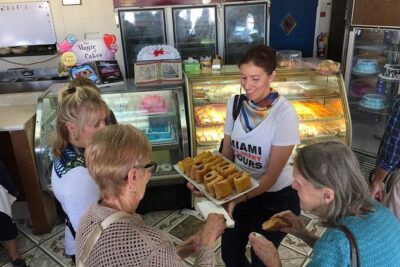
The tour loops back to Little Havana for the longest food segment, about 45 minutes. This is where you’ll taste the range of Cuban comfort favorites.
You can expect iconic dishes and drinks like:
- Cuban sandwich style classics
- Mojitos
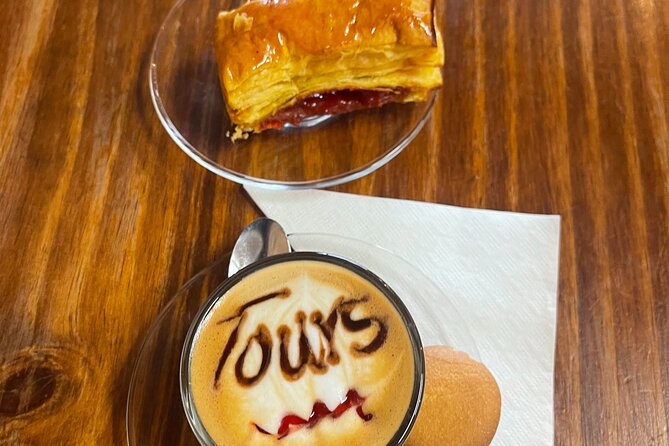
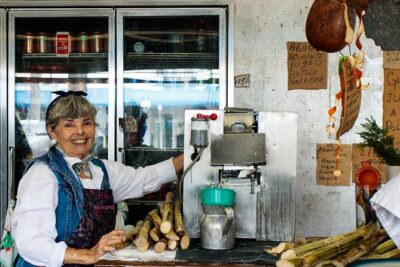
- Cuban coffee, including colada coffee, a drink described as a favorite of celebrities like Pitbull and Gloria Estefan
- Pastelitos (savory pastries)
- Empanadas
- Tropical ice cream
- Plus additional café-style bites along the way
What I like about ending with food is simple: by the last segment, you’ve learned the neighborhood context, so the tastings feel earned. You’re not just eating random items. You’re tasting a lineup that represents Cuban life as it’s practiced here now.
Also, the tour is designed so that these multiple stops “equal a full meal” by the end. That means you should treat it like lunch or a main meal replacement, not a snack tour. You’ll likely leave stuffed, in a good way, and with a clearer sense of what to seek out again later on your own.
Possible drawback: if you have a sensitive stomach or you’re prone to big drink effects from sweet coffee and cocktails, pace yourself. You’ll still enjoy it more if you take small bites, sip water, and don’t try to “finish everything” like a contest.
The best way to enjoy it: shoes, pacing, and smart questions
Because this is a walking tour with multiple stops, your comfort matters more than you think. Here’s how to make it enjoyable instead of just “something you did.”
- Wear comfortable shoes you trust for sidewalk walking.
- Bring a small water bottle if you like. You’ll be moving between food spots.
- If you’re ordering habits are picky, ask your guide what to expect before you commit, especially with coffee styles and sweets.
Now, here’s the part that makes the tour work beyond the menu. The guides on this experience are often praised for being conversational and friendly, not stuck in lecture mode. People like Jennifer and Gina show up in the feedback as guides who talk like real humans, and who know the businesses and the family stories behind them. That style is a big part of why the tour feels personal and memorable.
So when you’re at a stop, ask the practical questions:
- What makes this version Cuban?
- Who usually orders this?
- Why is this dish popular in Little Havana?
Those questions usually earn the best answers, and they make your food taste better.
What this tour is best for, and who might want a different plan
This works really well if you want:
- A food-forward Miami experience with culture stops
- A small-group pace
- A guided explanation that connects tastings to neighborhood history
- A tour that ends with you feeling full, not just “slightly sampled”
You might want to skip it or look for another format if you:
- Want private transportation included, because none is provided
- Dislike tours with memorial or history stops mixed in
- Prefer a single sit-down meal rather than multiple short tastings
Also, the tour requires good weather. If your dates are rainy, you’ll need to be flexible since the experience can be rescheduled or refunded if weather prevents it.
Should you book the Little Havana Ultimate Food Tour?
If you like Cuban food and you also like understanding the “why” behind it, I’d book it. At $67, the value is strongest when you treat it like lunch plus an education, not a few bites on the side. The max 12 traveler limit helps it feel personal, and the lineup of stops gives you both flavor and context.
Book it especially if:
- You’re new to Miami and want an efficient way to get oriented in Little Havana
- You want a guide who can explain the neighborhood and point out what to notice
- You’d rather walk, taste, and learn in short segments than sit through one long meal
Skip it if you’re chasing only one famous dish or you strongly dislike walking. Otherwise, this is one of the easiest ways to leave Little Havana knowing more than you arrived with, and feeling better fed too.
FAQ
How much is the Little Havana Ultimate Food Tour?
It costs $67.00 per person.
How long is the tour?
The tour runs about 2 hours 30 minutes (approx.).
How big is the group?
This experience has a maximum of 12 travelers.
What’s included in the tour price?
You’ll get lunch through multiple food stops that add up to a full meal, plus cultural discoveries and expert guide commentary at each stop.
Is private transportation included?
No, private transportation is not included.
Where does the tour start and end?
It starts at 1513 SW 8th St, Miami, FL 33135, and it ends back at the meeting point.
Do I need to print a ticket?
No, you’ll use a mobile ticket.
What happens if the weather is bad?
The experience requires good weather. If it’s canceled due to poor weather, you’ll be offered a different date or a full refund.
Is free cancellation available?
Yes. You can cancel up to 24 hours in advance for a full refund.
More Miami Food Tours






More Little Havana Food & Culture


More Tour Reviews in Miami





Recently added around Miami





Little Havana Food & Culture Tours, compared.
 ★ 5.0Little Havana Food and Walking Tour in MiamiFrom $698,882 reviews
 ★ 4.9Little Havana Food Walking Tour with TastingsFrom $691,181 reviews
 ★ 5.0Little Havana: Authentic Food and Culture Walking TourFrom $69679 reviews
 ★ 5.0Walking Food Tour of Little Havana with Cuban Dishes Tasting495 reviews
 ★ 5.0Little Havana Food Tour: Discover Iconic Cuban Cuisine in MiamiFrom $69308 reviews
 ★ 5.0Little Havana Food and Culture Walking TourFrom $65297 reviews
 ★ 5.0Little Havana Like a Local: Food, Culture & Hidden GemsFrom $69252 reviews
 ★ 5.0Little Havana Small Group Walking TourFrom $62231 reviews
Browse the lists this tour appears in