
Tour review · MIAMI EVERGLADES AIRBOAT TOURS
Everglades: Birding, Wildlife, and Photography Expedition
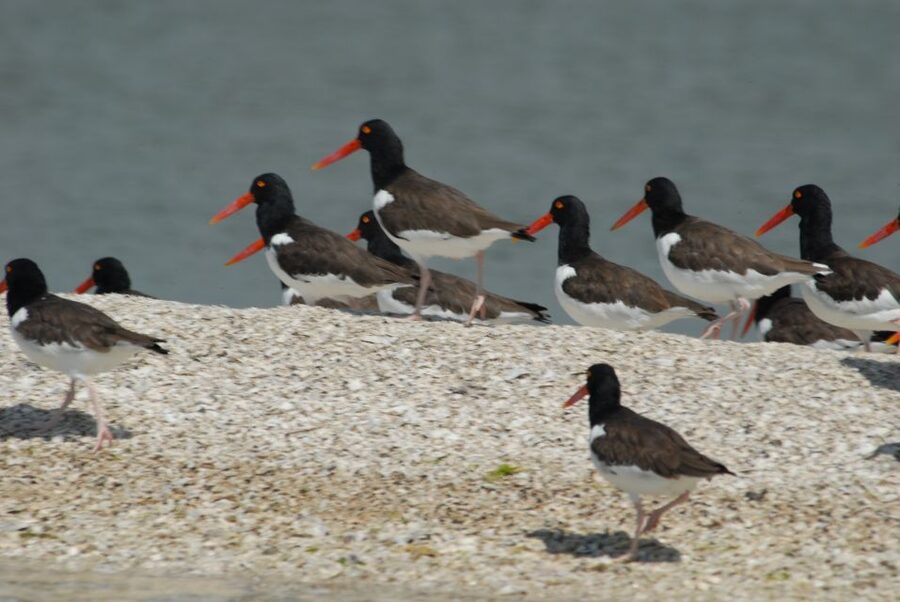
Wildlife keeps popping up in the 10,000 Islands.
This Everglades expedition is built for you if you like birds, want real photo chances, and enjoy learning as you move. You cruise through the park’s islands, then step onto an uninhabited barrier island for a walk where a Florida-certified Master Naturalist helps you spot more.
I love the tripod-friendly setup on a large, stable boat, because it makes long-lens bird photography feel practical. I also love that the guide is a Florida Master Naturalist (certified and Coast Guard licensed), so you’re not just searching, you’re understanding what you’re seeing.
One watch-out: food and beverages are not included, so you will want to plan your own water and snacks, especially if you’re out in warmer months.
Key reasons this trip works so well for birding and photos
- Small group of 6 means less crowd noise and more room to frame shots
- Stable boat for tripods and telephoto lenses helps you get sharper images
- Florida Master Naturalist guide ties wildlife sightings to plant and habitat details
- Two-part experience combines boat wildlife viewing with an uninhabited barrier island walk
- Real species targets like roseate spoonbills, herons, osprey, eagles, and more
- Flexible pace for photography is possible if you ask to go slow for shots
Getting to the right Everglades pocket: Chokoloskee and the 10,000 Islands
This tour starts at Parkway Marina in Chokoloskee, a launch point that fits the kind of wildlife watching you want in the Everglades. Instead of a single viewpoint, you move through a maze-like area often called the 10,000 Islands ecosystem. That matters because birds and marine life don’t stay put for your schedule, but they do repeat patterns around food and shelter.
The ride is set up as a leisurely exploration. You’re not rushing between stops, and that helps you react when a bird suddenly appears in a mangrove edge or when marine mammals surface nearby. In a small group, you also spend less time waiting around and more time scanning the water and shoreline.
Florida Master Naturalist guiding: what you learn on the water
What sets this experience apart is the guide role: you get a Florida-certified Master Naturalist who is also licensed by the US Coast Guard. Practically, this means the tour is not just about naming animals. You’ll get context on flora and fauna, plus local history of the area and how the ecosystem works.
That kind of explanation changes how you watch. When you understand what plant zones birds prefer, or why certain animals show up where they do, your spotting skills improve fast. Even if you’re not a hardcore birder, you’ll likely start noticing patterns, like where feeding behavior clusters or how different birds share the same shoreline in different ways.
The guides highlighted in the experience include people like Don and Captain Dan, plus Eddie and Seth in other accounts. The common thread is a calm, respectful approach that keeps the focus on nature, not on trying to force sightings.
Boat time on a stable platform built for cameras
You’re on a large, stable boat limited to 6 passengers, which is ideal for both comfort and photography. A big boat can mean less bobbing, and less bobbing means your frame stays cleaner when you’re tracking a bird through the viewfinder. The tour also makes tripod use a realistic part of the plan, which is a big deal if you rely on large telephoto lenses.
Because you sit with a small group, you also get a more “watching” atmosphere than a “tour line” feel. You can move your camera setup without constantly stepping around other people, and you can focus on scanning instead of managing crowds.
One smart tip from the experience style: you can ask to adjust your pace for photography. For example, there’s an account of guests requesting a slower tempo to photograph nesting cormorants, egrets, spoonbills, osprey, and herons. If you care about sharpness and composition, this kind of pacing can make your images improve more than any camera trick.
The second act: walking an uninhabited barrier island
Half the magic here is the two-part flow. You start on the water, then your captain beaches the boat so you can walk on an uninhabited barrier island.
That walk is valuable because it shifts you from “spotting at a distance” to “observing up close.” You’ll be able to look for signs in the environment, examine shoreline details, and scan for birds working the edges. In at least one account, the stop included a closer look at local shellfish and traces of earlier human presence. Even when the walk is brief, these small environmental details make the ecosystem feel real, not abstract.
A limitation to keep in mind: this is a short walk, not a long hike. You get a taste of the barrier island rather than a full day on foot. If you’re craving miles of walking trails, you may find this part more like a concentrated field session than a trek.
Wildlife you can plan around: birds, dolphins, turtles, and more
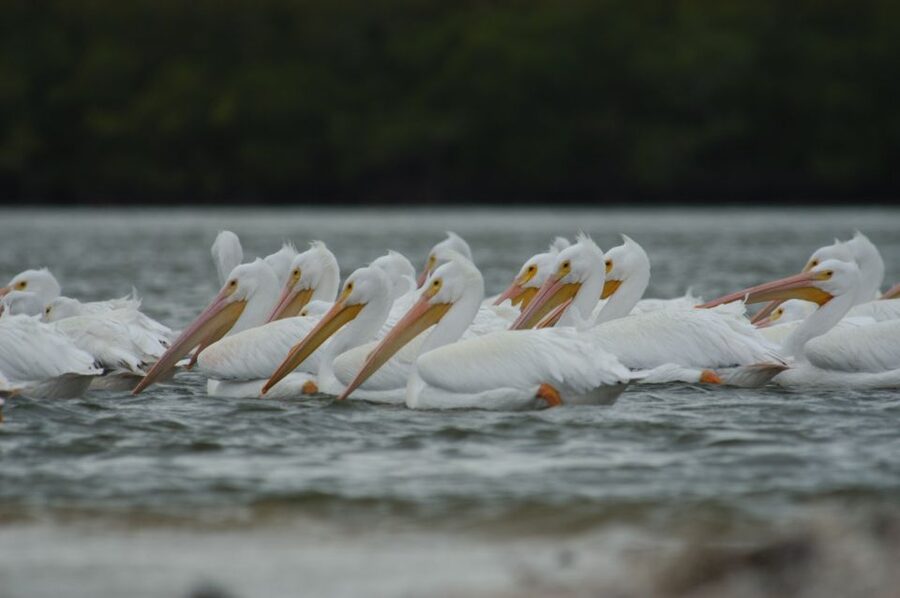
This tour is built around wildlife sightings, with several species specifically mentioned. For birds, you might encounter roseate spoonbills, osprey, ibis, great blue herons, tri-color herons, snowy egrets, shore birds, and bald eagles. You’re also in an area where other birds can show up during a ride, especially when conditions create feeding opportunities.
For marine life, the list includes dolphins, sea turtles, and manatees. Even if you don’t see every species, the point is that your guide is actively hunting for wildlife and matching the habitat to what tends to appear there.
What I like about having a concrete species list is that it helps you prep your expectations. If you’re coming specifically for spoonbills or eagles, you can plan your camera gear and patience accordingly. And if you’re more interested in marine mammals, it’s still a birding-focused route, so you’re not choosing one type of wildlife only.
Photography realities in the Everglades: how to get better shots in 210 minutes
You have 210 minutes total, which is long enough to learn the rhythm of the area but short enough that every minute counts. So the best approach is to travel light with your brain, not just your bag.
Bring your photography gear, especially any lens that reaches far. The tour explicitly notes that the boat has space for a tripod and works well for large telephoto lenses, so you’re not stuck shooting everything handheld. If you’ve been disappointed before on wildlife trips, this is the kind of setup that can change your results.
Here are practical strategies that fit what this expedition offers:
- Use your tripod on the stable boat so you can focus on tracking rather than fighting shake.
- When you spot a bird, give it a moment. Birds often move in short bursts, and a patient wait is usually more productive than constant refocusing.
- If you want nesting behavior or birds in action, ask for a slower pace when it helps your shots, as seen in real photo-focused requests.
- On the barrier island walk, shift from long-range framing to environmental context shots. Even quick shoreline scenes can tell the story better than a single distant bird frame.
One more reality check: wildlife sightings are still wildlife. If the day is windy or conditions limit movement, you may get fewer species than expected. The tour’s style helps because you’re not limited to one static location, but Mother Nature still sets the rules.
When to go: why morning matters June through October
The experience recommends morning tours from June through October due to weather. That makes sense for comfort and concentration. In hotter months, early start times can mean less heat stress and more energy for careful scanning and camera setup.
If you’re choosing between times, think like a photographer. When you’re trying to spot small heads and wing movement at distance, you want your body to feel steady. A cooler, calmer start often gives you the best chance to stay alert for changes in wildlife behavior during the prime viewing hours.
Meeting up and getting ready, without turning it into a whole day
Plan to arrive 10 to 15 minutes early at Parkway Marina so you can park, use restrooms, and get down to the docks where you board. Restrooms are available across from the Marina Store, which is a handy detail when you’re carrying camera gear.
You board five minutes before departure, and refunds are not provided if you miss the tour. So treat the meeting time like part of the plan, not a suggestion. The good news is the check-in setup is simple and compact.
Also, since food and beverages aren’t included, I’d treat this like a half-day shoot session. Bring water, and consider simple snacks you can eat without messing up your camera routine.
Price and value: what $172 buys you in the Everglades
At $172 per person for about 210 minutes, you’re paying for more than “a boat ride.” You’re paying for a small-group format, a stable vessel designed for tripods and long lenses, and a guide who can explain what you’re seeing while actively working for sightings.
The value gets stronger if you’re a serious bird photographer or someone who learns well from habitat-based explanations. In other words, if you’re the type who wants the why behind the where, this isn’t just entertainment. It’s a field class that happens to be on water and includes a barrier island walk.
The main trade-off is what you bring yourself. With no food or drinks included, your total trip cost can rise a bit if you need to buy snacks on-site or you forget water. But if you come prepared, the price feels aligned with the experience you get: expert guidance, real wildlife time, and the equipment-friendly boat platform.
Who this tour suits best, and who might want a different plan
This is a strong fit for:
- Birders who want a focused route through the 10,000 Islands ecosystem
- Wildlife photographers who use telephoto lenses and care about tripod stability
- Nature lovers who enjoy learning flora and fauna details from a certified Master Naturalist
- People who like small groups, because it helps both comfort and sightlines
It may not be ideal if:
- You want a long, rugged hike. The barrier island walk is short and designed to complement the boat viewing.
- You need food included. Plan to bring water and snacks since none are provided.
- You’re expecting a guaranteed checklist of specific species. Wildlife depends on conditions, even with an active guide.
Should you book this Everglades Birding, Wildlife, and Photo Expedition?
I’d book it if your goal is to spend a concentrated half-day in the Everglades with a guide who can point out what you’re seeing and why. The small group size, the stable tripod-friendly boat, and the two-part route (boat plus uninhabited barrier island walk) make it feel efficient in the best way.
Choose it especially if you’re bringing a real camera setup and you’re hoping for shots of birds like roseate spoonbills, herons, osprey, or eagles, plus chances at marine wildlife like dolphins, sea turtles, or manatees. If you go in with your own water and snacks, and you aim for a morning slot in June to October, you’ll be set up for a calmer, more productive wildlife day.
If that style matches you, this is the kind of Everglades trip that pays off fast, because you’re not just watching, you’re learning to see.
FAQ
Where do I meet for the Everglades tour?
You meet at Parkway Marina, 1180 Chokoloskee Dr, Chokoloskee, FL 34138. Plan to arrive 10 to 15 minutes early, and meet your captain down by the docks.
How long is the tour?
The duration is 210 minutes, which is about 3.5 hours.
How big is the group?
The boat is limited to 6 passengers, so it stays a small group experience.
Is there space for a tripod and telephoto lenses?
Yes. The boat is described as stable and provides space for a camera tripod, making it suitable for large telephoto lenses.
Are food and beverages included?
No. Food and beverages are not included, so you should plan to bring water and snacks.
What wildlife might I see?
The tour mentions possible sightings of roseate spoonbills, osprey, ibis, great blue herons, tri-color herons, snowy egrets, shore birds, and bald eagles. It also mentions dolphins, sea turtles, manatees, and other saltwater creatures.
Is a morning start recommended at certain times of year?
Yes. From June through October, the tour suggests choosing morning experiences due to weather.
Miami Everglades Airboat Tours, compared.
 ★ 4.2From Miami: Everglades Airboat, Wildlife Show & Bus TransferFrom $498,622 reviews
 ★ 4.5Everglades National Park Airboat Tour & Wildlife ShowFrom $427,296 reviews
 ★ 4.5Everglades Small-Group Tour from Miami with TransportationFrom $822,657 reviews
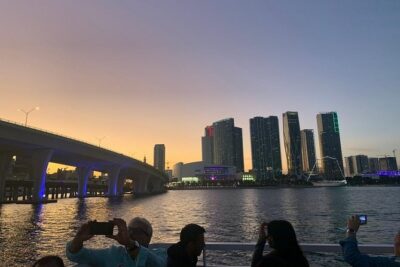 ★ 3.5Miami Combo: City Tour, Biscayne Bay Cruise and Everglades Airboat RideFrom $692,487 reviews
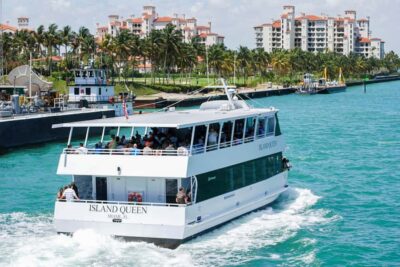 ★ 4.0Everglades Experience, Bay Cruise & Open-Top Bus TourFrom $801,918 reviews
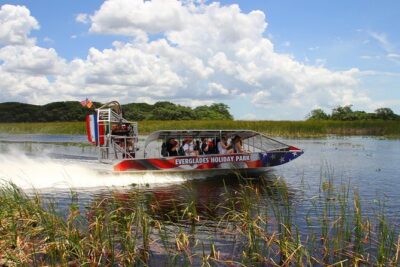 ★ 4.5Everglades Airboat, Wildlife Show, and Roundtrip Bus From MiamiFrom $491,886 reviews
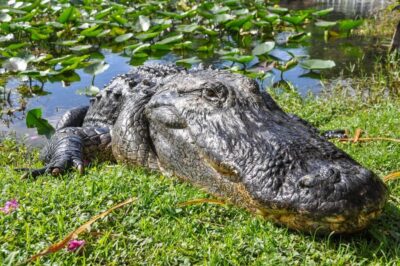 ★ 4.4Everglades Safari Park Airboat TourFrom $411,267 reviews
 ★ 4.560 min. Everglades Airboat ride & pick-up ,small group +pro guideFrom $781,252 reviews
Browse the lists this tour appears in